What happens to your recycling
Ever wondered what happens to your recycling once it has been collected? Here you can find out how your waste is being recycled.
Recycling data
Wrap Cymru's My Recycling Wales website provides information about the recycling collected in Bridgend County Borough, you can view information on:
- Amount recycled
- Climate change impact
- Savings
- Destinations
Recycling processes
Cans
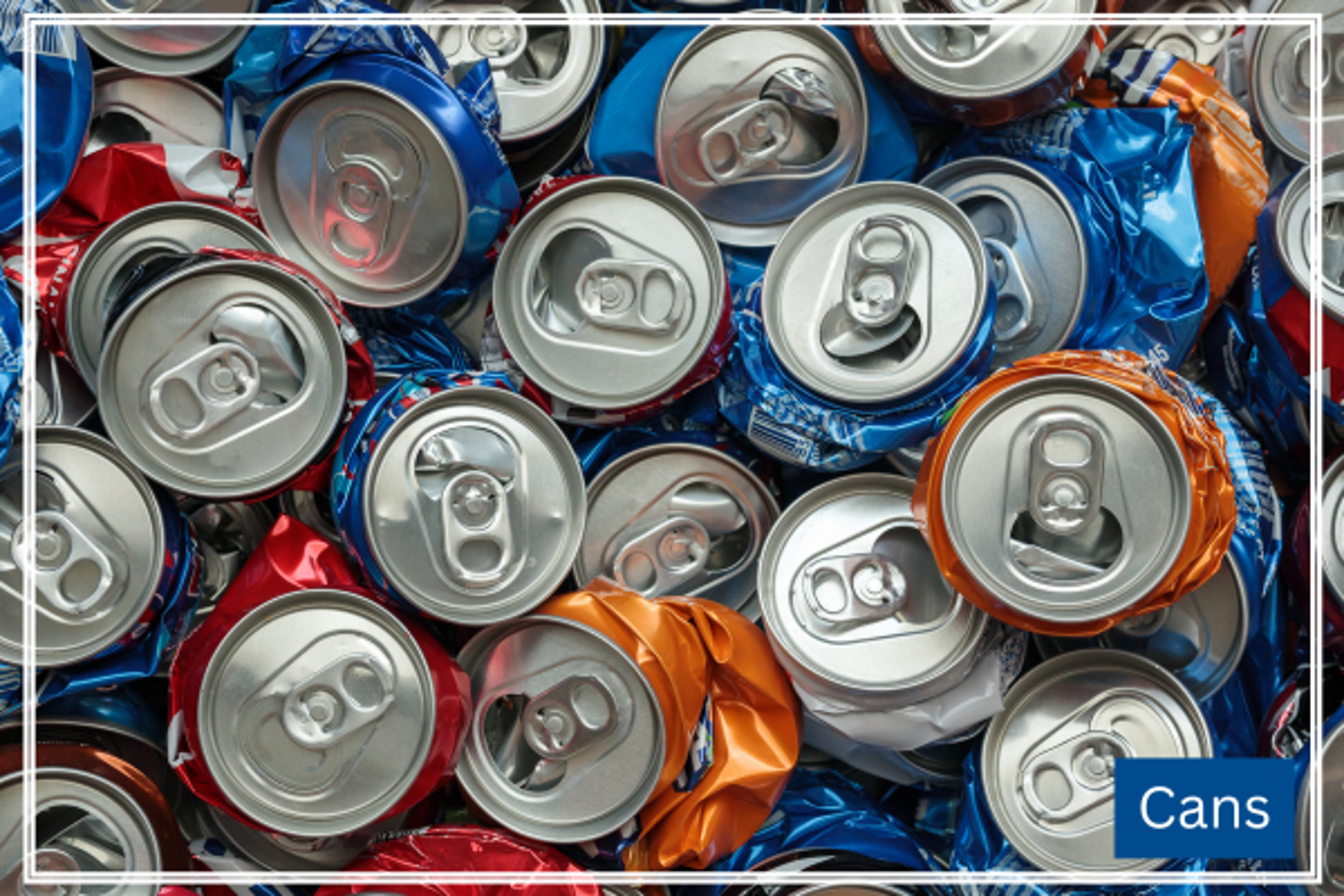
Aluminium or steel cans are melted down to make many new products including drinks cans, food tins, car and bicycle parts or even the frames for solar panels.
A great property of metal is that it can be recycled indefinitely
Cardboard
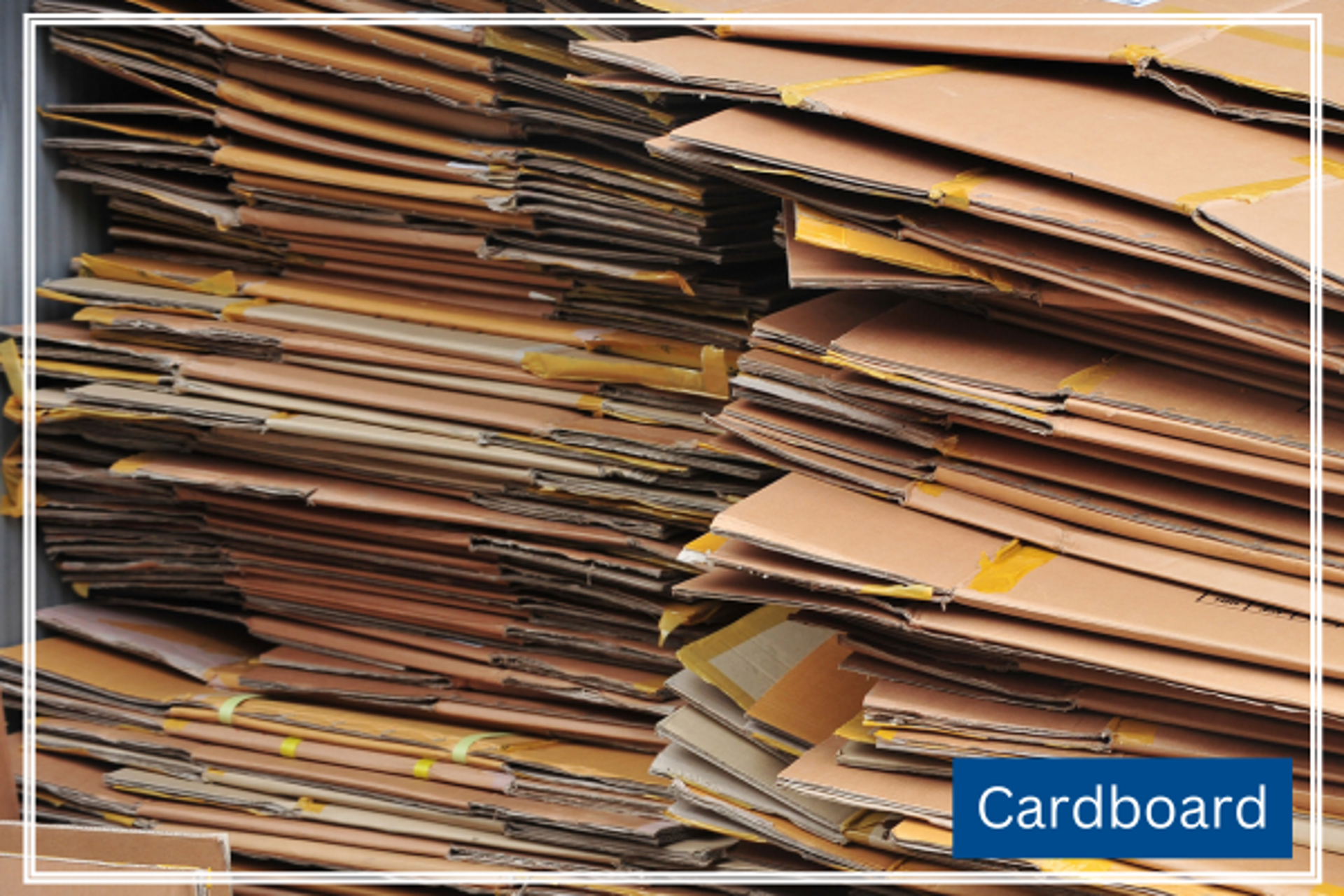
Water is added to cardboard to make a pulp.
This can be dried, and turned into new cardboard products.
Food waste
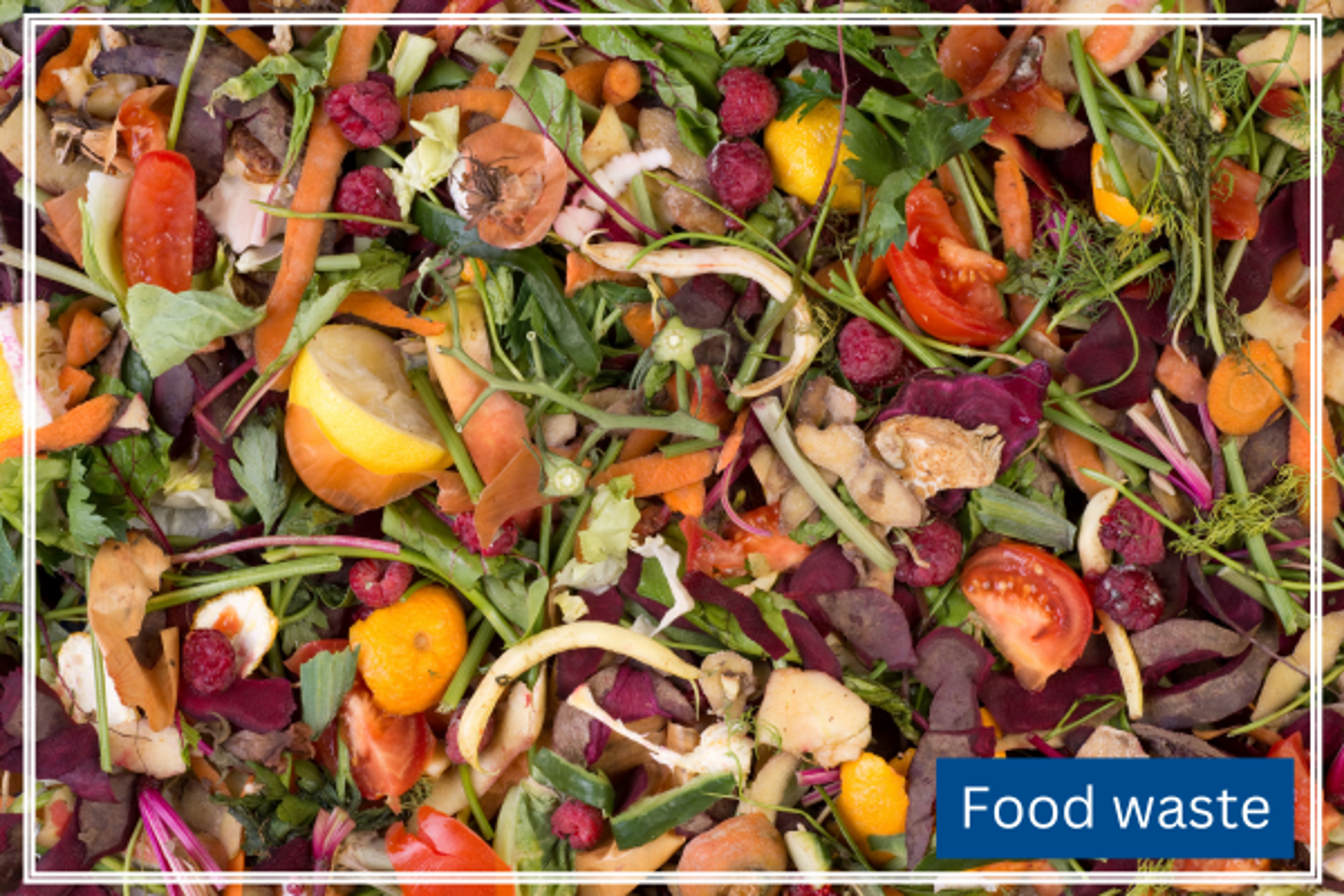
- Energy - The food waste you send for recycling goes for treatment in a facility at Stormy Down. It is put through a process known as “anaerobic digestion” where micro-organisms are added to the food waste. These emit methane gas as the waste breaks down, which is used to generate electricity. This energy source means we can produce electricity with less fossil fuel.
- Fertiliser - Farmers can use the material left at the end of the anaerobic digestion treatment to fertilise their fields. This means farmers need less chemical fertiliser. Consequently, plants and animals are not harmed, as less chemical fertiliser washes off fields into our streams, rivers and seas.
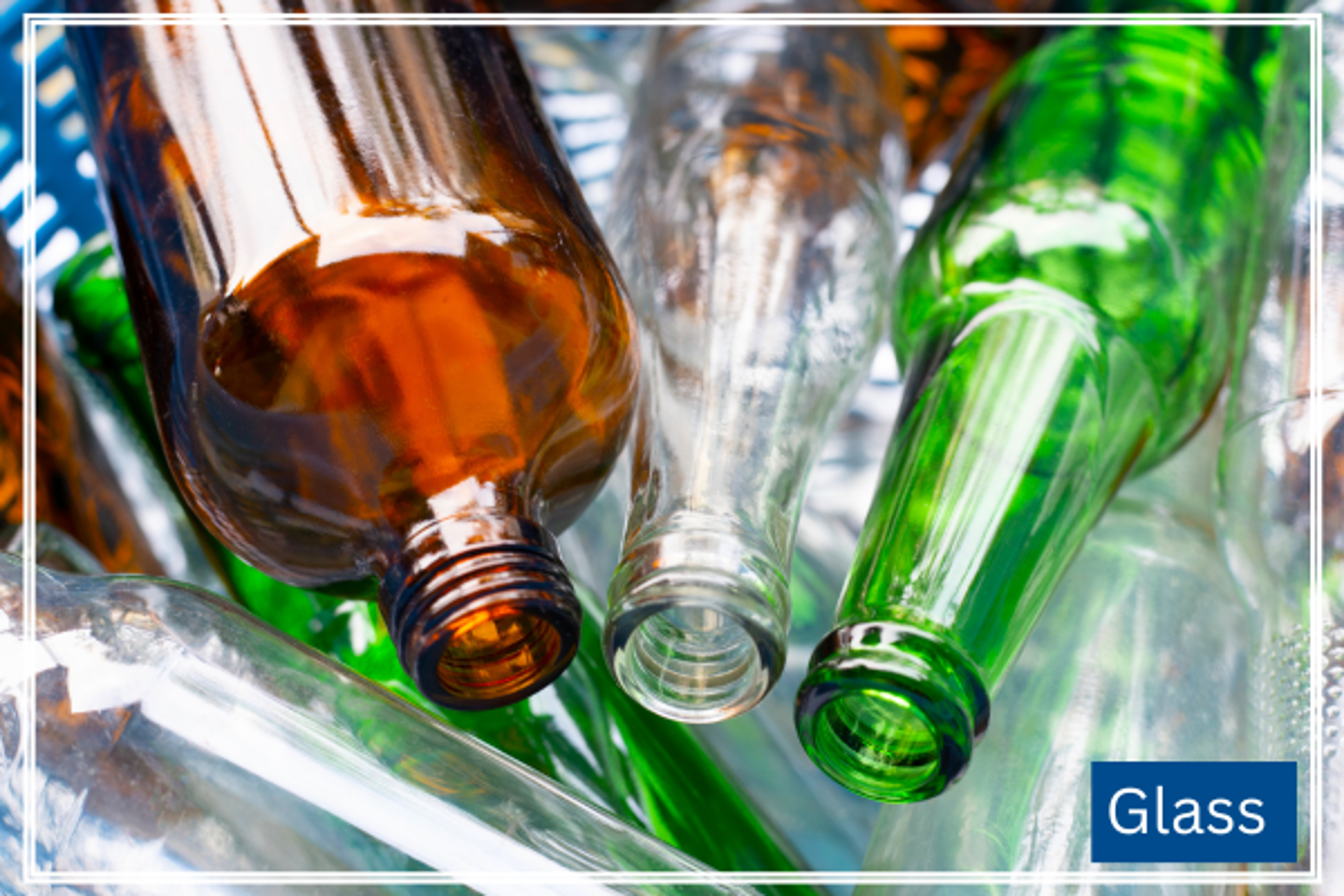
Glass
When glass arrives at the recycling facility, it is sorted by colour and crushed into small pieces called cullet. Contaminants are removed from the cullet using magnets, air suction and laser sorters.
The cullet is melted in a furnace at over 1500ºC and other ingredients are added.
The liquid glass is then divided into globs which can be blown or pressed into brand new bottles and jars.
A great property of glass is that it can be recycled indefinitely.
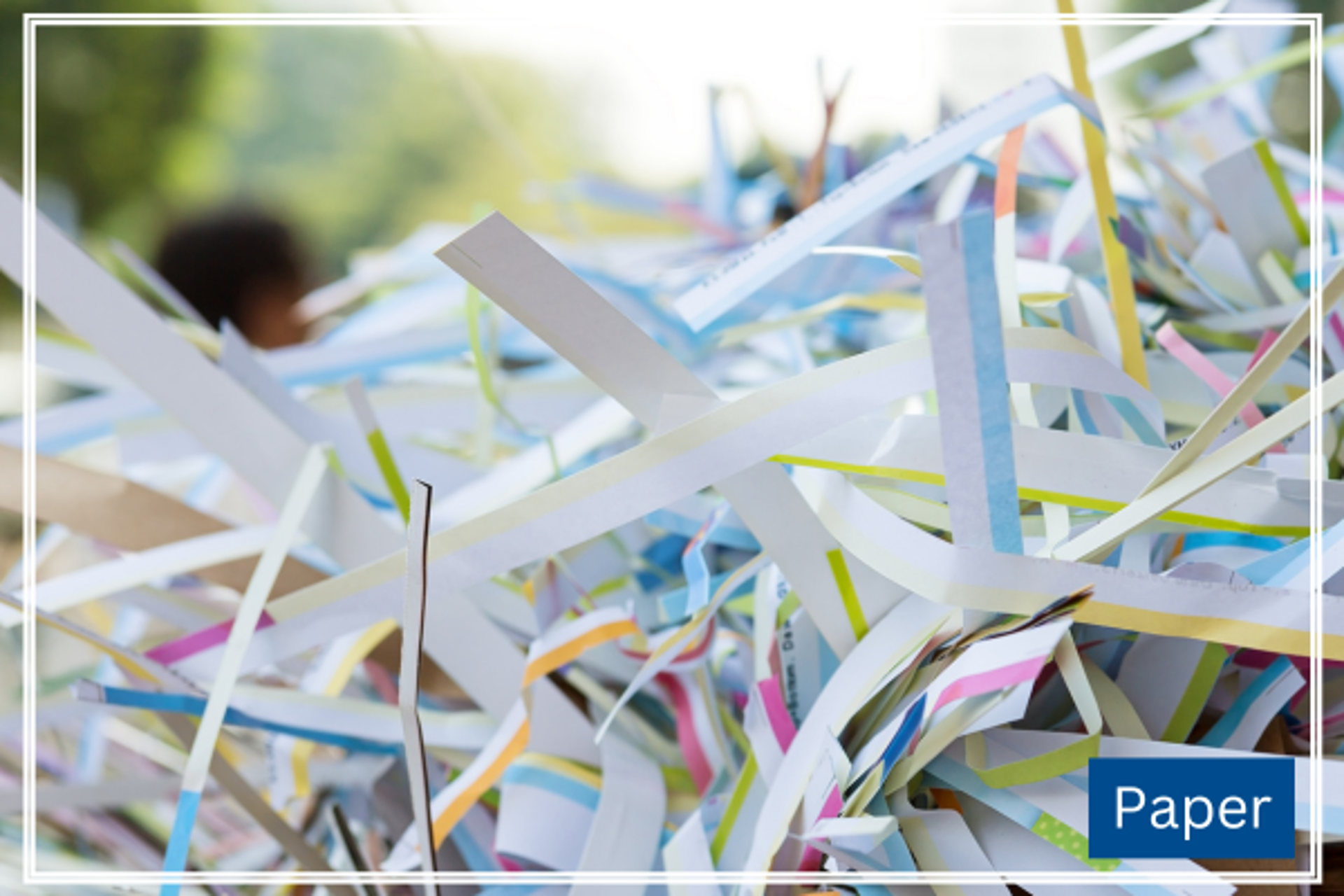
Paper
Water is added to paper to make a pulp.
This can be dried, and turned into new paper products.
If you put a newspaper out for recycling today, it can be back on newsagents’ shelves in as little as two weeks.
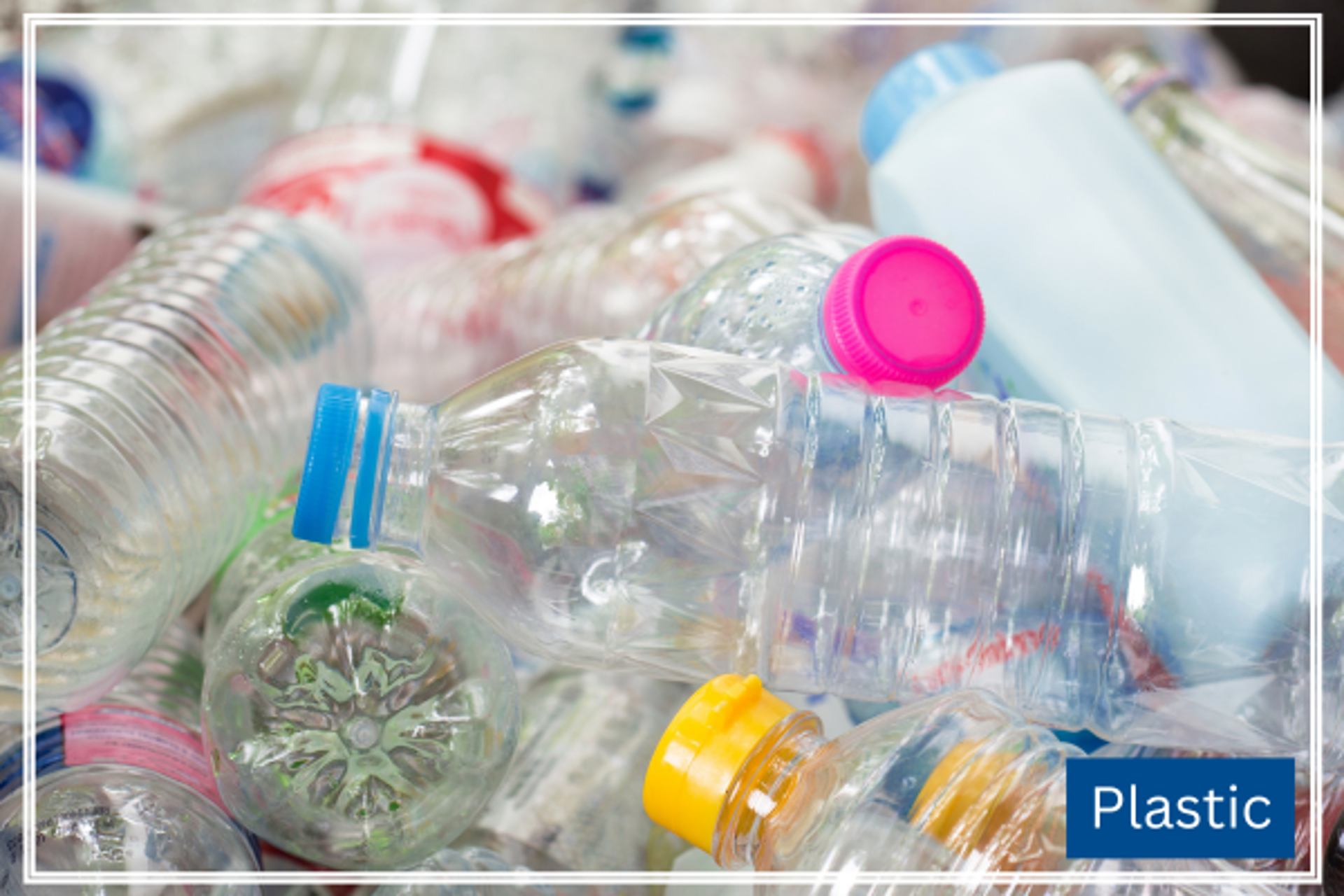
Plastic
When plastics arrive at the recycling facility, they are sorted by polymer type, shredded, washed and turned into pellets.
Then, manufacturers use these pellets to make new plastic products such as bottles, tubs, polyester fabric for clothing, and drainage pipes.

Electronics
Recycled electronics are pulled apart by robots or shredded to expose the components and separate all the different materials.
Copper is a very important material that is recovered from all electronics. Electronics have small amounts of precious metals such as gold, silver and platinum in them. These quantities are too small to recover without specialist recycling techniques.

Batteries
Batteries are first sorted according to the chemistry used within them. Lead-based batteries are treated differently from lithium-ion batteries, for example.
Once sorted, batteries are run through material separation stages to produce ‘black mass’. In some processes, the material is heated in a furnace to temperatures around 700 ºC to remove the electrolyte and other hazardous components.
Black mass is then sent to a metallurgic refinery to recover important metals such as nickel, cobalt and lithium.
The battery grade material produced form refining becomes the feedstock for manufacturers to make new batteries.

Textiles
Textiles are carefully sorted by highly trained staff into different grades for reuse.
Reusable clothes are baled into different groups such as ladies fashion or men’s mix, to be sold to clothes shops both here and abroad.
Items not suitable for direct reuse are transformed into industrial wiping cloths, flock rags.
For further information on recycling and waste in Bridgend County Borough, please contact: